Neurofeedback Therapy

qEEG guided neurofeedback.
A powerful way to train your brain.

Neurofeedback is like physical therapy for the brain. Using advanced brain mapping, we can target regions of the brain where brainwaves are stuck and train them back to normal.

Reach Out To Us
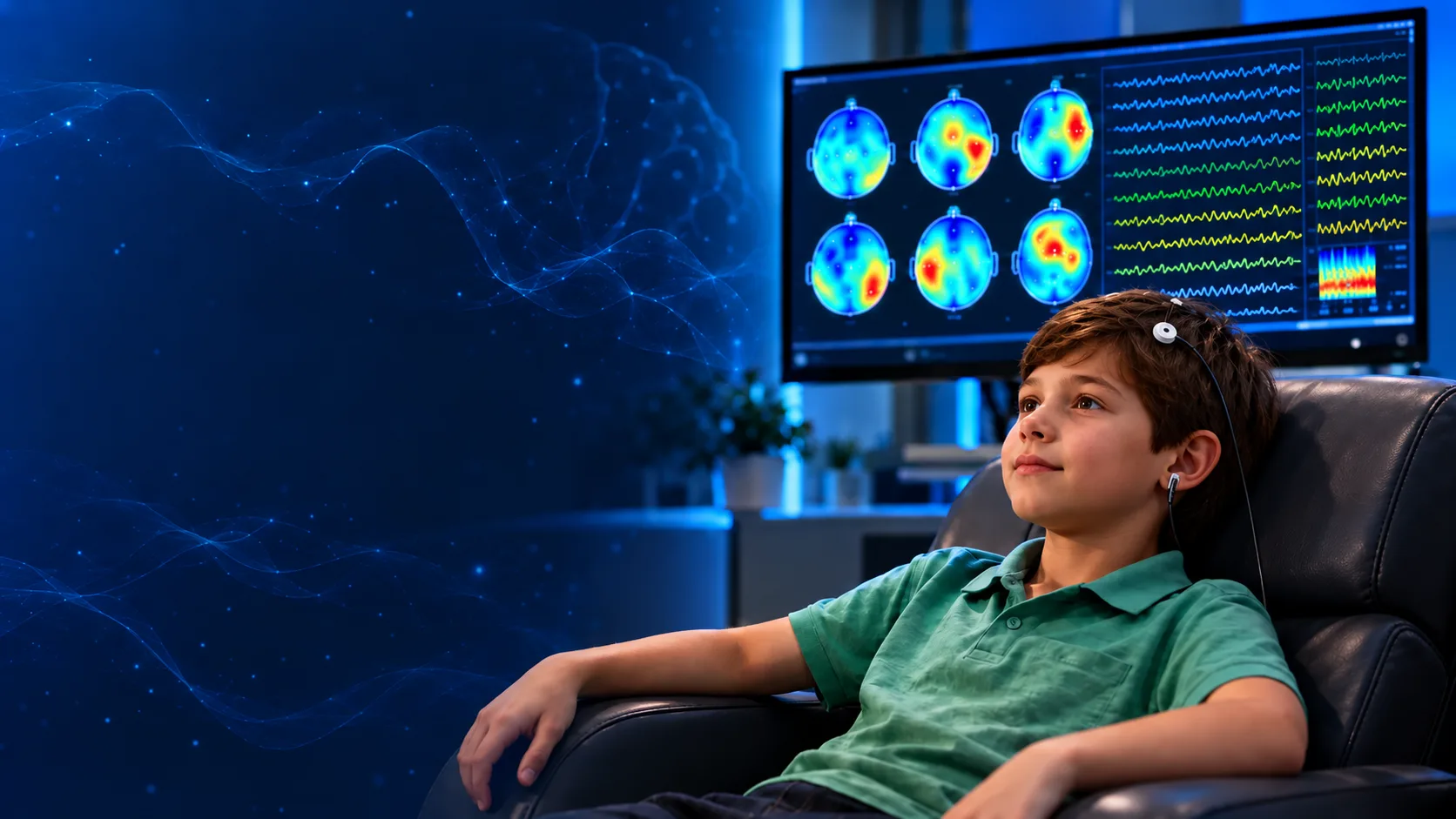
Child receiving neurofeedback with a scalp sensor, with brain maps and brainwaves in the background
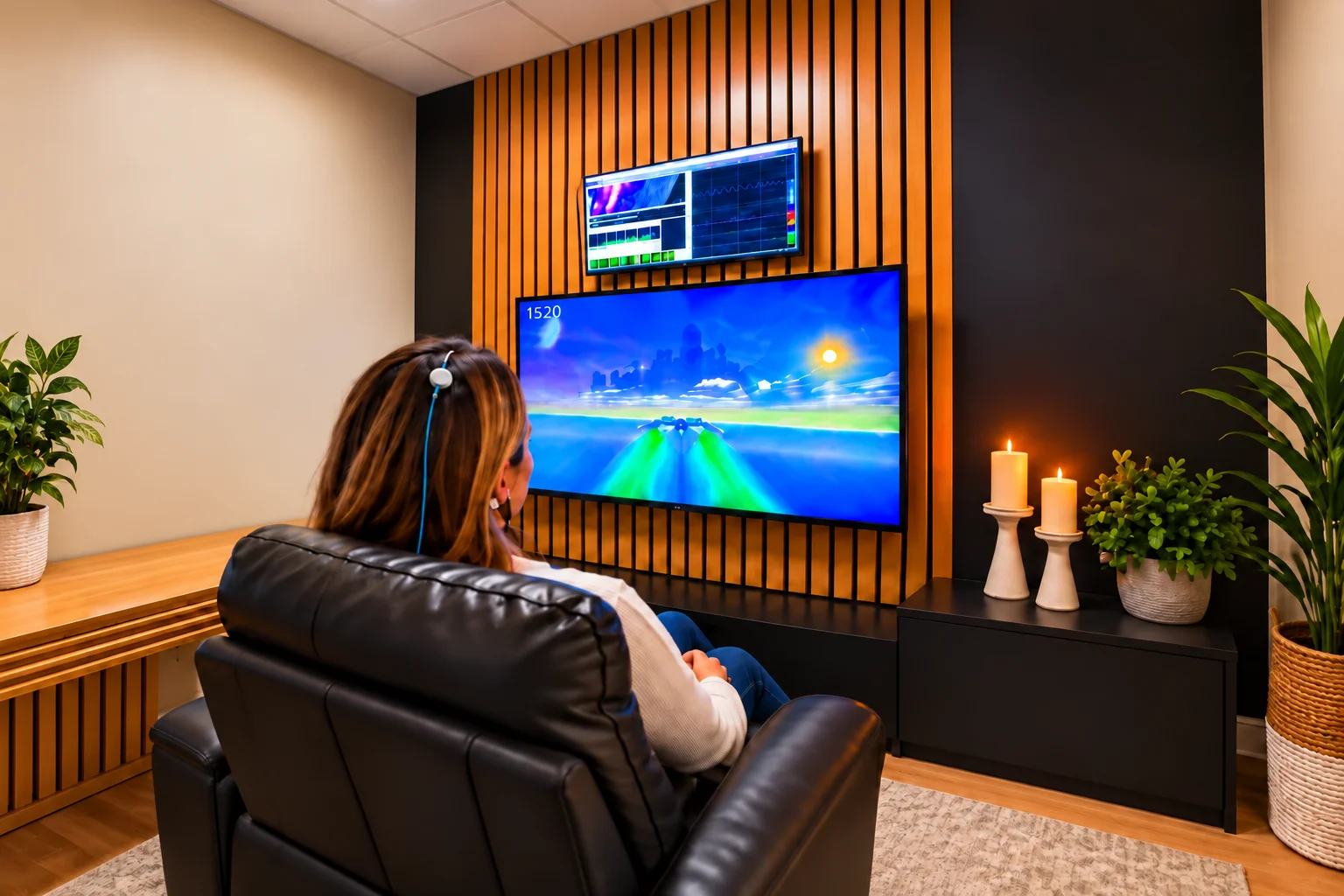
Adult woman receiving neurofeedback training in our office

In-Office Neurofeedback

Once we know which brain networks need support, we can begin training them to function better. Neurofeedback is at the core of this process, using real-time information from your brain activity to help strengthen underperforming networks, improve regulation, and reinforce healthier patterns of brain function. Depending on your individual needs, we may also incorporate therapies such as photobiomodulation, Alpha/Theta limbic training, HRV biofeedback, nutritional support, and other approaches designed to support brain health and neuroplasticity.
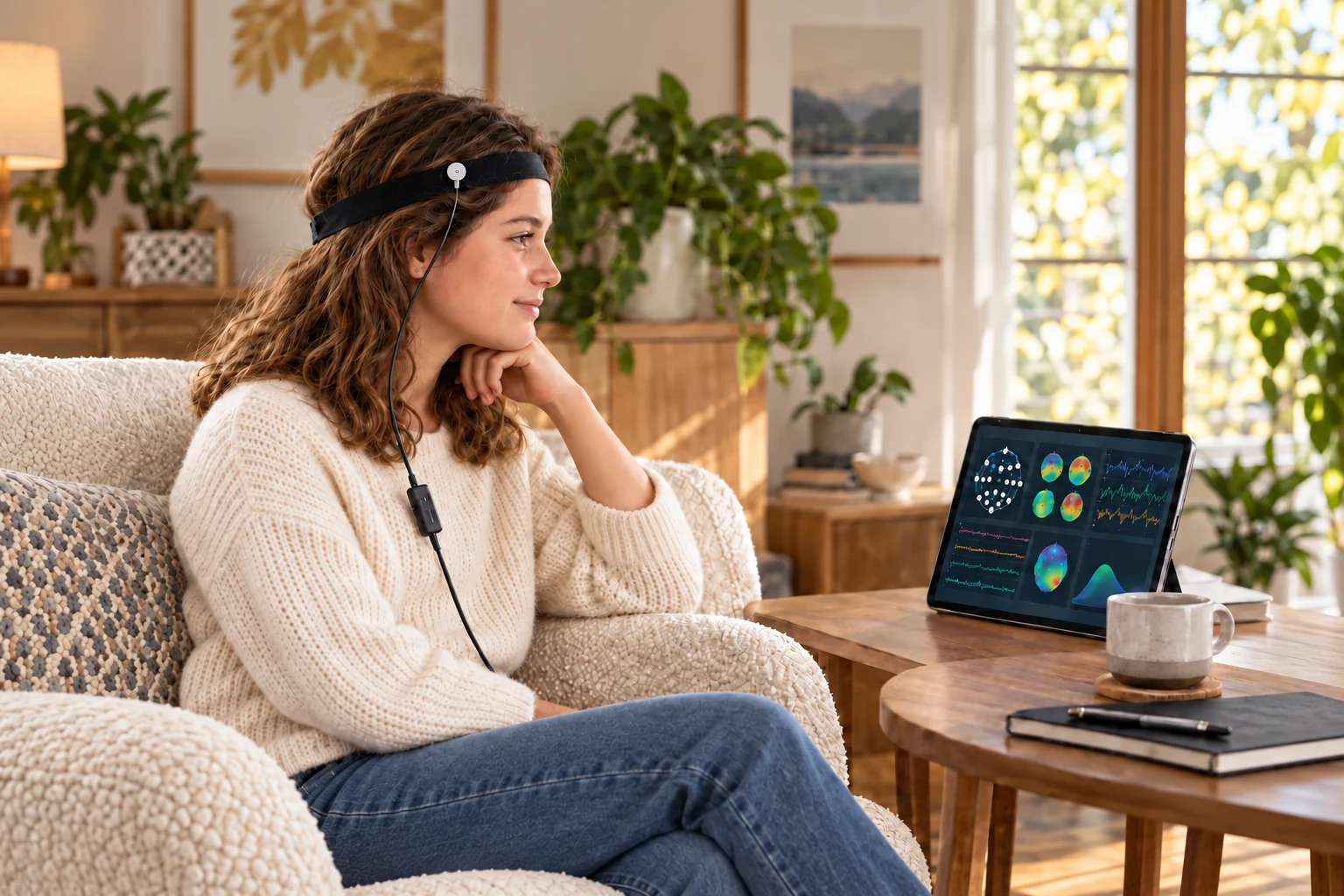
Teenage girl doing guided remote neurofeedback training at home

Remote At-Home Neurofeedback

Train your brain from the comfort of home, with a personalized program based on your brain map. Our remote neurofeedback program combines the flexibility of at-home sessions with ongoing guidance from our team. You use remote training technology to receive feedback from your brain activity, while we review your session data and adjust your protocols as needed. This makes it easier to fit consistent brain training into your routine, wherever you live. When appropriate, your home program may also include Alpha/Theta limbic training, HRV biofeedback, nutritional support, and other tools selected for your individual goals.

How your brain is supposed to work

Your Brainwaves are meant to increase and decrease throughout your day.

When your brainwaves can shift from high to low your brain responds correctly based on what you are doing. From quality sleep at night, to regulating stress when an urgent response is required, to calming down and relaxing in the evening.

How Your Brainwaves Change Through Your Day
01 / 09

Delta Brainwaves Increase During Each Sleep Cycle at Night.

Higher AmplitudeLower Amplitude

When your brain gets stuck

What happens when your brainwaves get stuck?

When a specific brainwave gets stuck, it can interfere with the brainwave activity you need for what you are doing. It’s like pressing the gas and the brakes at the same time. Click the buttons below to explore each brainwave and see examples of the symptoms that can occur when it gets stuck.

When Your Brain Gets Stuck
Choose a stuck brainwave:

You need Alpha brainwaves to calm the brain, relax, and be fully present. But when High-Beta stays stuck on at the same time, it can interfere and change those moments into worry, anxiety, and even feelings of panic.

Higher AmplitudeLower Amplitude

Neurofeedback in action

Neurofeedback can train brainwaves to shift normally, instead of being stuck always on.

Neurofeedback is like physical therapy for the brain. Using advanced brain mapping, we can target regions of the brain where brainwaves are stuck and train them back to normal. Neurofeedback is a form of biofeedback and uses operant conditioning to reward the brain for producing a state of homeostasis (a resting state ready for action when needed).

An Example of How Neurofeedback Can Train Down High Beta Activity.
01 / 06

As high beta moves above and below the target, each dip signals the reward.

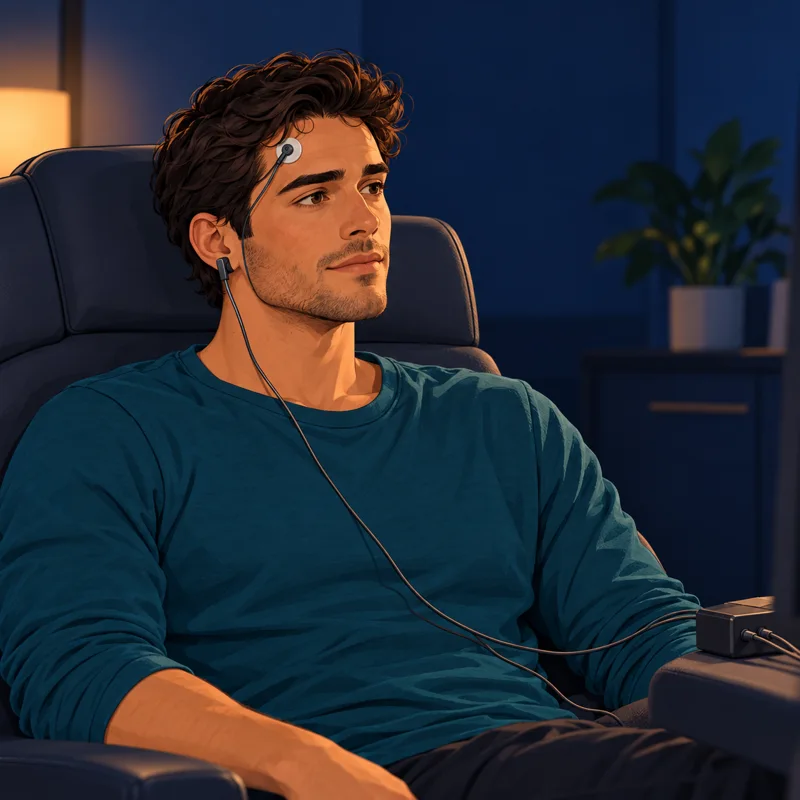
Man seated with an EEG sensor and ear clip

Sensors listen to your brain activity

Brainwave activity

High beta above target

REWARD

The reward is a video game performing better, or a movie playing.

Activity. Reward. Repetition.

How practice can strengthen a network.

Neurofeedback rewards targeted brain activity. Repeated practice can help the brain build and strengthen the connections it uses.

From a weak network to a stronger networkWeak network

A weak network has fewer effective connections.

Five connections form the starting network: three across the top row and two to the neurons below.

A neural network grows stronger through repeated activitySix neurons begin with three connections linking the four top neurons. Signals travel along those pathways as tapered branches sprout from the cells, extend growing tips, split into smaller branches, and connect with neighboring neurons.

Measure. Train. Measure again.

Brain maps guide the neurofeedback training and show how your brain changes along the way.

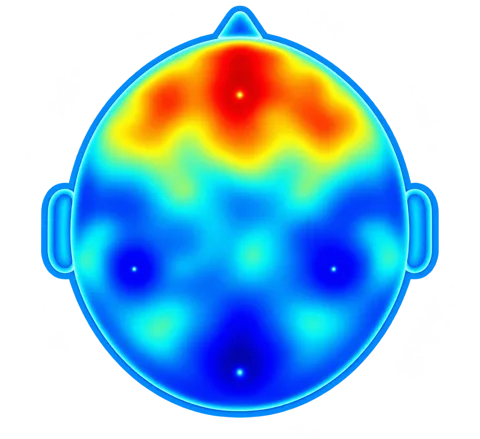
  1. Identify

    Initial Brain Map

    Illustrative initial brain map with a large red area

    Objectively identify the patterns that need support.

  2. Train

    Neurofeedback Brain Training

    Customized neurofeedback protocols to address issues on your initial brain map.

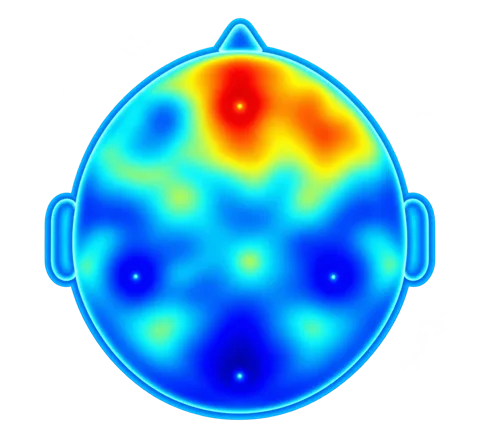
  3. Measure

    Mid Map

    Illustrative mid map with a smaller red area

    Objectively measure progress and refine your training.

  4. Reinforce

    Neurofeedback Brain Training

    Continue or adapt neurofeedback protocols based on your mid map progress.

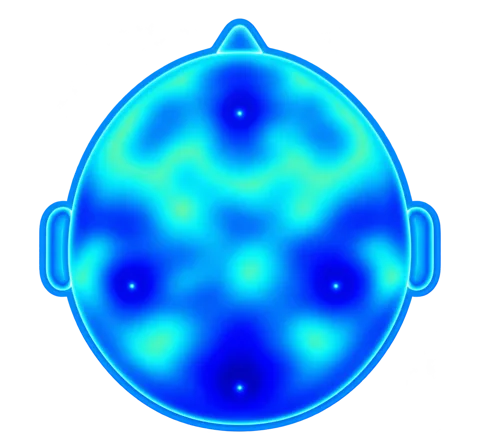
  5. Verify

    Final Brain Map

    Illustrative final brain map with no red areas

    Objectively verify whether brain activity has normalized.

Explore the research

The science of a better-regulated brain.

Select a topic to explore published neurofeedback research.

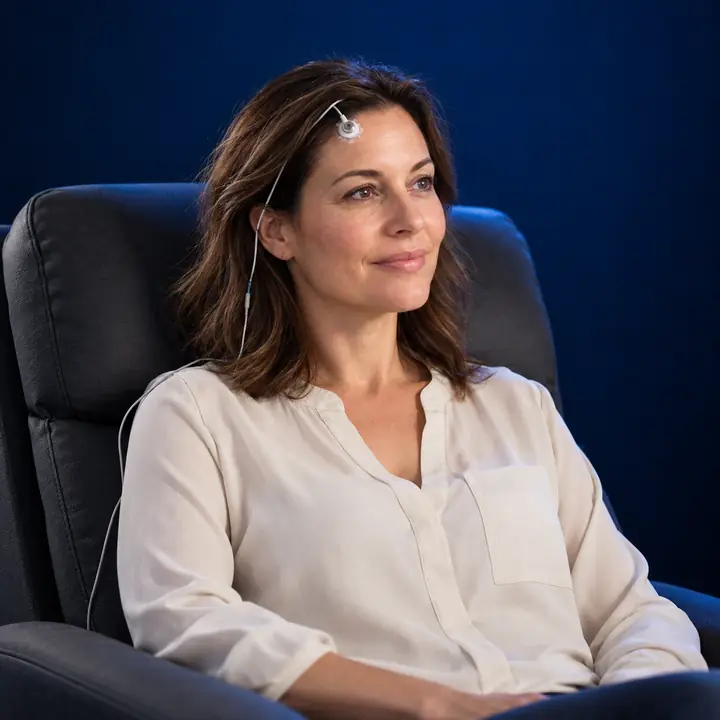
Woman seated comfortably during neurofeedback with a small EEG sensor at her hairline
Memory

Training brain rhythms involved in holding and using information.

See the research
Attention

Research on directing attention and handling competing information.

See the research
Processing Speed

Exploring how alpha-frequency training relates to processing speed.

See the research
Executive Function

Research on working-memory updating and mental flexibility.

See the research
Stress/Anxiety

Exploring alpha training and anxiety-related self-regulation.

See the research
Chronic Pain

Research on sensorimotor and alpha training in persistent pain.

See the research
Sleep

Research on sleep spindles and the transition into sleep.

See the research
Migraines

Research using brain maps to select individual training targets.

See the research
PTSD

Research on alpha regulation and trauma-related brain activity.

See the research →
Depression

Research on frontal alpha activity, mood, and executive function.

See the research →

Common questions.

How does neurofeedback work?

Small sensors measure your brainwaves in real time. When the activity moves toward a selected target, a game, movie, or sound provides a reward. Repeating this feedback gives the brain opportunities to learn and practice healthier patterns of self-regulation.

Does neurofeedback send electricity into my brain?

No. EEG neurofeedback sensors only record the electrical activity your brain already produces. The feedback comes through a screen or sound. The brain does the learning; the sensors do not deliver electrical stimulation.

Is neurofeedback just playing a video game?

The game is the reward, not the training itself. For example, a racecar speeds up when brain activity meets the target and slows when it moves away. The screen responds to the brain’s activity, making this different from an ordinary game controlled by a keyboard or controller.

Do I have to consciously control my brainwaves?

You do not need to know how to change a brainwave before you begin. The feedback lets your brain recognize when it is moving toward the target. Through repetition, it practices producing that activity more consistently, rather than relying on you to force a particular feeling.

Why do you compare neurofeedback to physical therapy?

Physical therapy uses repeated practice to build strength and flexibility. Neurofeedback applies a similar learning principle to brain activity, using feedback to practice regulation. Brain mapping helps guide which patterns to train, much as an assessment guides which movements to work on.

Will neurofeedback change my personality or take away my strengths?

No, neurofeedback supports better regulation, it does not change who you are. We help people have better access their existing curiosity, creativity, and abilities with less interference from stress, fatigue, or emotional overload. Training focuses on greater flexibility between calm, focus, and appropriate alertness.

How will I recognize progress in everyday life?

Look for changes in the moments that matter to you: settling at bedtime, staying with a task, recovering after frustration, or pausing before reacting. Progress is about how you function in daily life, alongside changes measured in follow-up brain maps.

Can the benefits last after training ends?

Neurofeedback is intended to build more capacity that the brain can continue using beyond the sessions. Think of it like maintaining strength after physical therapy. Ongoing stress, poor sleep, or constant overstimulation can work against progress, while healthy routines help reinforce it. Some people may benefit from additional training later.

Does neurofeedback replace learning, practice, or therapy?

No. Building the capacity for a skill is different from practicing the skill itself. A child still needs to practice reading, and therapy still helps develop coping strategies and habits. Neurofeedback focuses on brainwave regulation so those other forms of practice can work together toward your goals.

Your next chapter

Your brain influences every aspect of your life.
Start looking after it.

We routinely check our heart, blood pressure, cholesterol, and other measures of health. Yet the one organ responsible for regulating how we think, feel, sleep, respond to stress, and experience the world is often overlooked until a major problem develops.

Reach Out To Us