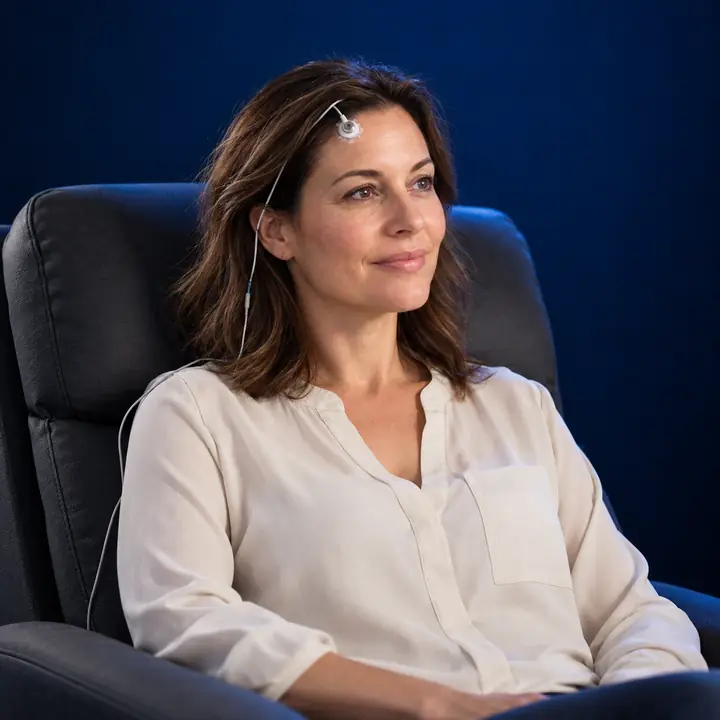
Wang & Hsieh · 2013
Focus and attention control
Randomized, sham-controlled study
What the study found
In this 32-participant trial, frontal-midline theta neurofeedback improved attention conflict scores in both age groups and orienting scores in older adults. Researchers also recorded changes in resting EEG.
Why it matters
The study links a specific training protocol with improvements in selected attention processes.
Read the original study ↗Evidence review · Attention & hyperactivity
EEG Biofeedback earns a top evidence rating.
PracticeWise’s October 2026–March 2027 evidence review places biofeedback in Level 1: Best Support for attention and hyperactivity behaviors, the category that includes ADHD.
Level 1The highest evidence category in the PracticeWise framework.
Best SupportSupported by qualifying randomized trials from independent research teams.
What the rating means: Level 1 requires at least two qualifying randomized trials, manualized treatment, and findings from at least two investigator teams. It recognizes the reliability of the supporting evidence.
The American Academy of Pediatrics connection: The AAP shared the PracticeWise evidence chart through its mental health resources. The chart identifies its ratings as PracticeWise’s independent analysis, rather than an AAP treatment endorsement.
Neurofeedback is EEG biofeedback: it uses feedback about brain activity to practice self-regulation. This evidence rating gives families a research-based reason to explore biofeedback for attention and hyperactivity.
View the evidence ratingSee the chart shared in the pediatric provider toolkit