
Establish Your Brain Baseline
Know your brain before something changes. A baseline brain map gives us an objective picture of how your brain is functioning today, creating your personal reference point for the years ahead.
 Reach Out To Us
Brain training for Older Adults
Keeping up with conversations, enjoying your interests, and feeling confident in your daily routine matter at every age. That is why caring for your brain health deserves a place beside caring for your heart, eyes, and teeth.
Reach Out To UsA qEEG brain map provides an objective measurement of your brain's electrical activity and creates a baseline that can be compared with future maps. By repeating your brain map every 3–5 years, we can look for changes in patterns of brain function over time and use that information, together with your health history and symptoms, to make more informed decisions about supporting your brain as you age.
Know your brain before something changes. A baseline brain map gives us an objective picture of how your brain is functioning today, creating your personal reference point for the years ahead.
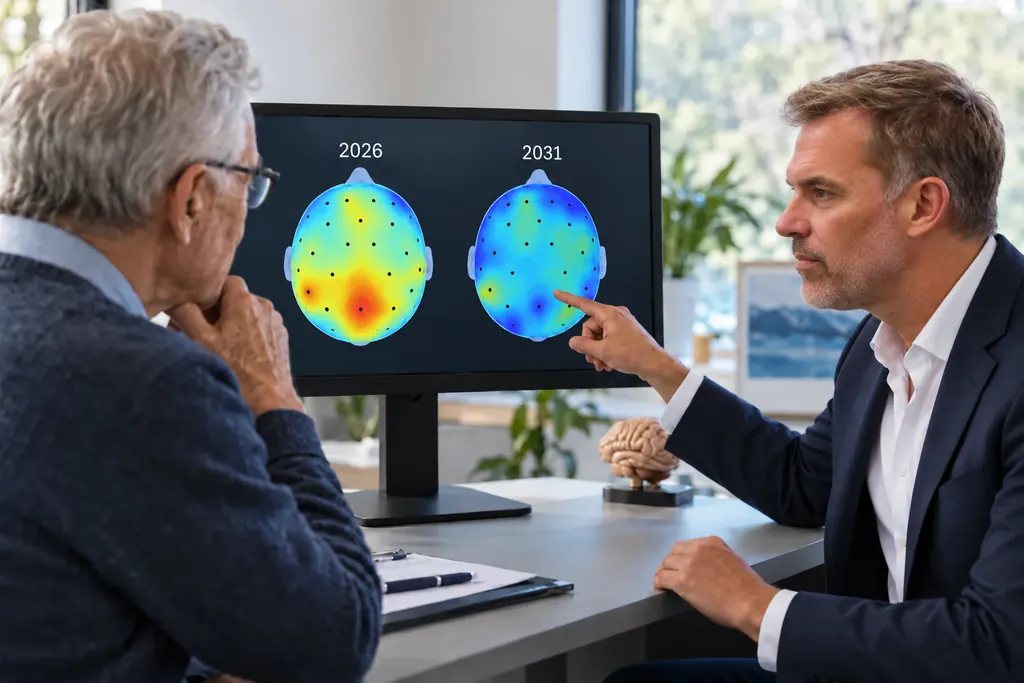
Your brain changes as you age. Track those changes. Repeating your brain map every 3–5 years allows us to compare your brain with itself and see how patterns of brain function are changing over time.
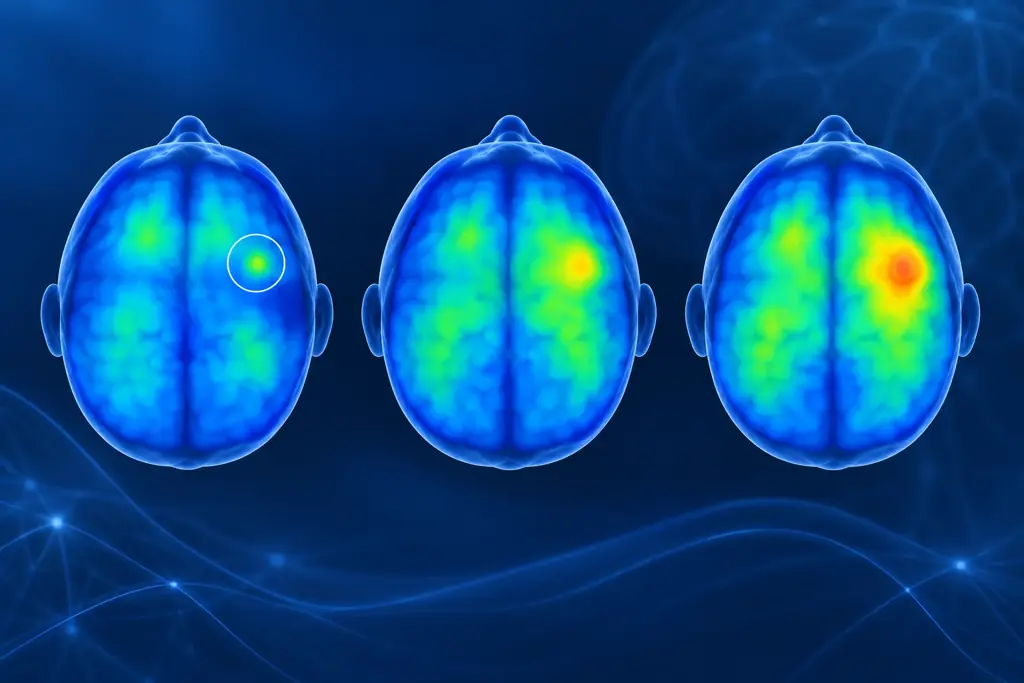
Small changes are easier to address when you know they're happening. Follow-up brain maps may reveal changes in brain activity worth exploring before you would otherwise know to ask about them.

Your brain doesn't age in isolation. Sleep, stress, exercise, cardiovascular health, nutrition, illness, medications, and lifestyle can all influence brain function. A brain map adds objective information to help us understand how your brain is functioning within that bigger picture.

Stop guessing about what your brain needs. Your brain map can help identify patterns that may need support and guide a more personalized approach to brain training, sleep, exercise, nutrition, stress management, and appropriate medical follow-up.

Don't wait until you're struggling to start thinking about your brain. Regular brain mapping creates a long-term record of brain function and keeps brain health part of the conversation as you age.
The brain you want tomorrow deserves attention today.
From our blog

Healthy aging · Sleep & brain health
Why restorative sleep matters for your brain's nightly maintenance and long-term health.
Read the article →
Healthy aging · Balance & movement
Explore how balance, movement, and a clearer picture of brain function support an active life.
Read the article →
Healthy aging · Brain health
Why caring for your brain deserves a place beside caring for your heart, eyes, and teeth.
Read the article →
Lavy et al. · 2021 · Randomized trial
A sham-controlled study explores upper-alpha training for mild cognitive impairment.
Read the article →Lavy et al. · 2019 · Pilot study
An early study follows memory and peak alpha frequency through training and follow-up.
Read the article →Marlats et al. · 2020 · Pilot study
Twenty participants completed SMR/theta training and a one-month follow-up.
Read the article →Jang et al. · 2019 · Pilot study
A five-person study explores cognitive testing and prefrontal brain responses.
Read the article →Tazaki · 2024 · Research review
A review brings together findings on neurofeedback in MCI and Alzheimer’s disease.
Read the article →Paitel et al. · 2025 · Systematic review
A review of 124 studies examines EEG connectivity in MCI and Alzheimer’s disease.
Read the article →Jiang et al. · 2017 · Research review
Explore a 2017 research review on attention training through neurofeedback.
Read the article →