Firefighters prepare to respond when someone else’s day takes a devastating turn. Their own recovery deserves that same attention.
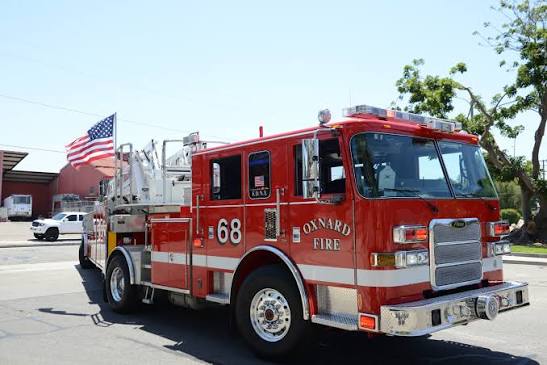
The Oxnard Fire Department recognizes that mental recovery is as important as physical readiness. Its firefighters face high-stress, high-risk situations in service to the community. Supporting their long-term health means making room for the demands they carry beyond each call.
A shared commitment to firefighter wellbeing
In partnership with the department, Brain Performance Center implemented a qEEG brain mapping and neurofeedback program focused on brain health, sleep, stress regulation, and recovery.
The initiative took shape under the leadership of Fire Chief Alexander Hamilton, Battalion Chief John Albin, and Captain Tim Spence. A research grant from Baylor Scott & White Health provided further support for the program.
Firsthand experience helped move the initiative forward. After undergoing neurofeedback himself, Battalion Chief Albin reported meaningful improvements in sleep, stress management, and overall recovery. His experience helped drive broader participation across the department.
Three months of individualized training
Over the three-month program, 34 active-duty firefighters completed approximately 30 neurofeedback sessions each. Outcomes were tracked at baseline, mid-program, and the final brain map.
The areas tracked reflected everyday concerns: falling asleep, recovering after calls, managing stress, maintaining focus, and being present with family.
What participants reported
The following results describe self-reported improvement among firefighters who initially reported each symptom. Each percentage refers to the relevant symptom group, rather than all 34 participants.
| Initial concern | Reported improvement |
|---|---|
| Difficulty falling asleep | Approximately 85% |
| Difficulty returning to sleep after calls | About 80% |
| Sleep quality concerns, including restlessness and waking exhaustion | Roughly 75–80% |
| Chronic fatigue, daytime crashes, or reliance on naps and energy drinks | Approximately 75–80% |
| Anxiety, intrusive thoughts, hypervigilance, and irritability | 70–80%+ |
| PTSD-type triggers and nightmares | Over 80% |
| Brain fog, focus challenges, or word-finding difficulties | Approximately 70–79% |
| Headaches and migraines, particularly among participants with prior injuries | 87.5% |
| Difficulty being present at home | Over 80% |
The program summary also described reductions in stress-related physical tension. Among participants who initially struggled to be present at home, reported changes included connection, recovery, and overall quality of life.
These figures come from the program summary provided by Brain Performance Center. They reflect participants’ self-reports. The summary does not provide a comparison group or longer-term follow-up, so these results do not establish that neurofeedback alone caused the changes or how long improvements lasted.
Recovery matters beyond the shift
Being able to rest after a call, get through the day with more energy, or feel more present at home can matter deeply to a firefighter and their family.
The reported experiences in this program are encouraging. They support continued attention to brain health as part of a broader approach to first-responder wellbeing, alongside existing medical and mental health care.
For Brain Performance Center, the purpose of this partnership is personal: supporting the people who show up for our community, both on duty and in the lives they return to after the shift.