
Peniston and Kulkosky · 1989
Training alpha and theta rhythms in alcohol recovery
Controlled clinical study · Alcohol dependence
What the study found
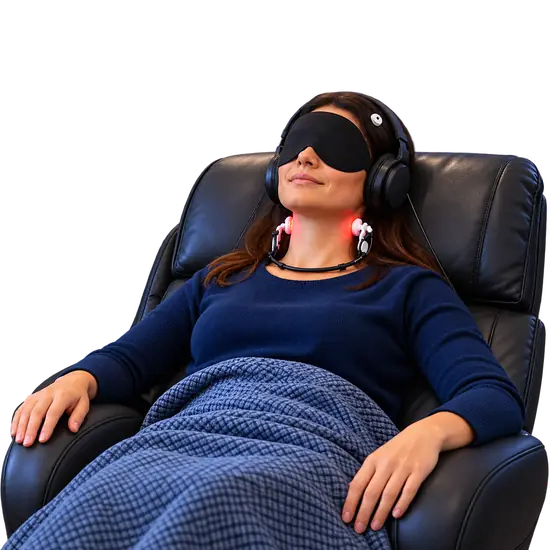
Following temperature-biofeedback preparation, participants completed fifteen 30-minute Alpha/Theta sessions. Researchers observed increases in the amount of alpha and theta activity, increased alpha amplitude, and reductions in self-reported depression. They also reported favorable relapse outcomes at 13 months.
The Alpha/Theta protocol
This study directly trained alpha and theta rhythms rather than using alpha-only or beta-only feedback. It links the training to measured EEG changes as well as recovery outcomes. The larger combined-protocol study below provides additional addiction research.
Read the original study ↗